
Consumer Goods | Speaker series
CLE webinars for consumer-focused companiesLegal Tools for a Rapidly Evolving Industry
DLA Piper’s Consumer Goods, Food, and Retail (CGFR) CLE series is designed for in-house counsel, business professionals, and executives seeking to navigate today’s complex regulatory and commercial landscape.
Our sessions feature DLA Piper’s global CGFR team—offering actionable guidance to help you anticipate legal risks, align with evolving standards, and implement strategies that support long-term growth and resilience.
If you'd like more information about our Consumer Goods Speaker Series, contact Maddie Line.
Upcoming webinar

Latest Webinar
Ghost spaces: Legal risks and market realities | June 23, 2026
Neal Kronley, Heather Horowitz, and Stuart Brown, explored the rise of “ghost spaces”—leased but underutilized properties— and the risks they create for tenants, landlords, and lenders.
Key takeaways
- Strategic vacancy is reshaping how leases are used and valued.
- Reduced occupancy can impact asset value and financing stability.
- Lease terms play a central role in allocating risk and navigating restructuring scenarios.
To learn more about how DLA Piper helps clients navigate real estate and occupancy challenges, our teams draw on experience across Real Estate, Restructuring, Finance, and Litigation to address evolving leasing and financing risks.
Previous webinars

May 14, 2026
California's SB 707 establishes the nation's first textile EPR program, requiring any company placing covered textile products into the state — not just fashion brands — to join a Producer Responsibility Organization and fund end-of-life textile infrastructure. The webinar shows how this intersects with two other California laws (packaging EPR under SB 54 and recyclability labeling under SB 343), creating a stack of overlapping compliance deadlines. Speakers were Kristy Balsanek, Meaghan Hembree, Felicia Isaac, and Jess Melong.
Key Takeaways
- "Producer" is broader than you think. A four-tier cascade means retailers, importers, and distributors can be responsible — even for tool bags, branded uniforms, and jewelry pouches.
- July 1, 2026 is a hard deadline. All producers must register with Landbell USA by this date, regardless of pending litigation challenging that selection.
- Three laws, stacked deadlines. SB 707 (textiles, July 1), SB 54 (packaging, June 1), and SB 343 (labeling, Oct. 4) require coordinated action now.
- Build data systems now. Tracking fiber composition, product categories, and California sales volumes is critical for fee forecasting under SB 707's eco-modulated structure.
- Watch your marketing claims. PRO membership doesn't authorize "recyclable" labels — unsubstantiated claims risk enforcement under SB 343 and greenwashing litigation.
To learn more about how DLA Piper helps clients navigate site selection, incentives, and complex regulatory landscapes, explore our related capabilities: Consumer Goods, Food and Retail and Environment Health and Safety.
To gain access to the recording of this conversation, reach out to Maddie Line.

April 16, 2026
DLA Piper partners Stephanie Yarborough and Taylor Conley discussed how retailers and consumer brands can optimize site selection and incentive strategy by engaging early, maintaining confidentiality, and leveraging state‑level competition to align real estate, regulatory, workforce, and incentive considerations over the full project lifecycle.
Key Takeaways
- Engage early to preserve leverage. Site selection and incentive value are maximized when advisors are brought in before leases are signed or land is purchased, allowing companies to shape options rather than react to constraints.
- Competition unlocks value. Maintaining multiple states in play enables governors’ offices to compete—often delivering off‑market sites, expedited permitting, infrastructure commitments, and materially stronger incentive packages.
- Real estate drives the decision. Incentives rarely win a project on their own; workforce availability, utilities, infrastructure, zoning, and scalability ultimately determine site viability, with incentives used to bridge gaps.
- Confidentiality is non‑negotiable. Premature disclosures—press, social media, or public statements—can immediately end incentive negotiations, making disciplined confidentiality critical through final approvals.
- Incentives are contracts, not headlines. Successful outcomes depend on conservative projections, careful structuring, and ongoing legal oversight to prevent claw backs, preserve benefits through corporate changes, and support future expansions.
To learn more about how DLA Piper helps clients navigate site selection, incentives, and complex regulatory landscapes, explore our related capabilities: Consumer Goods, Food and Retail; Regulatory and Government Affairs; State and Local Tax; and Real Estate.
To gain access to the recording of this conversation, reach out to Maddie Line.

February 19, 2026
DLA Piper partners highlighted how companies can strengthen supply chain integrity by managing legal, regulatory, sustainability, trade, and logistics risks end‑to‑end.
Key takeaways
- Think lifecycle, not silos. Supply chain risks span sourcing, manufacturing, transport, sales, and end‑of‑life—requiring coordinated legal, compliance, and business strategies.
- Sustainability is enforceable. Expanding disclosure, due diligence, and anti‑greenwashing rules demand supplier visibility, credible data, and strong contractual controls.
- Trade compliance protects market access. Tariffs, sanctions, export controls, and forced‑labor laws require accurate classification, supply chain mapping, and continuous screening.
- Logistics amplify risk. Theft, fraud, weather disruption, and single points of failure underscore the need for resilient networks and trusted service partners.
- Circularity reshapes design decisions. Growing EPR laws link packaging and material choices directly to compliance costs, reporting obligations, and brand risk
To learn more about how DLA Piper helps clients, explore our Sustainability, National Security and Global Trade, Regulatory and Government Affairs and Consumer Goods Food and Retail capabilities.
To gain access to the recording of this conversation, reach out to Maddie Line.
More from DLA Piper

FDA in Focus: 2025 review and 2026 outlook
In 2025, FDA concentrated on rebuilding and modernizing its internal infrastructure amid unprecedented organizational and leadership changes. Against the backdrop of a significant reduction in force, shifting regulatory philosophies, and evolving policy priorities, the Agency focused on strengthening food safety, advancing medical product innovation, and enhancing oversight across its programs.
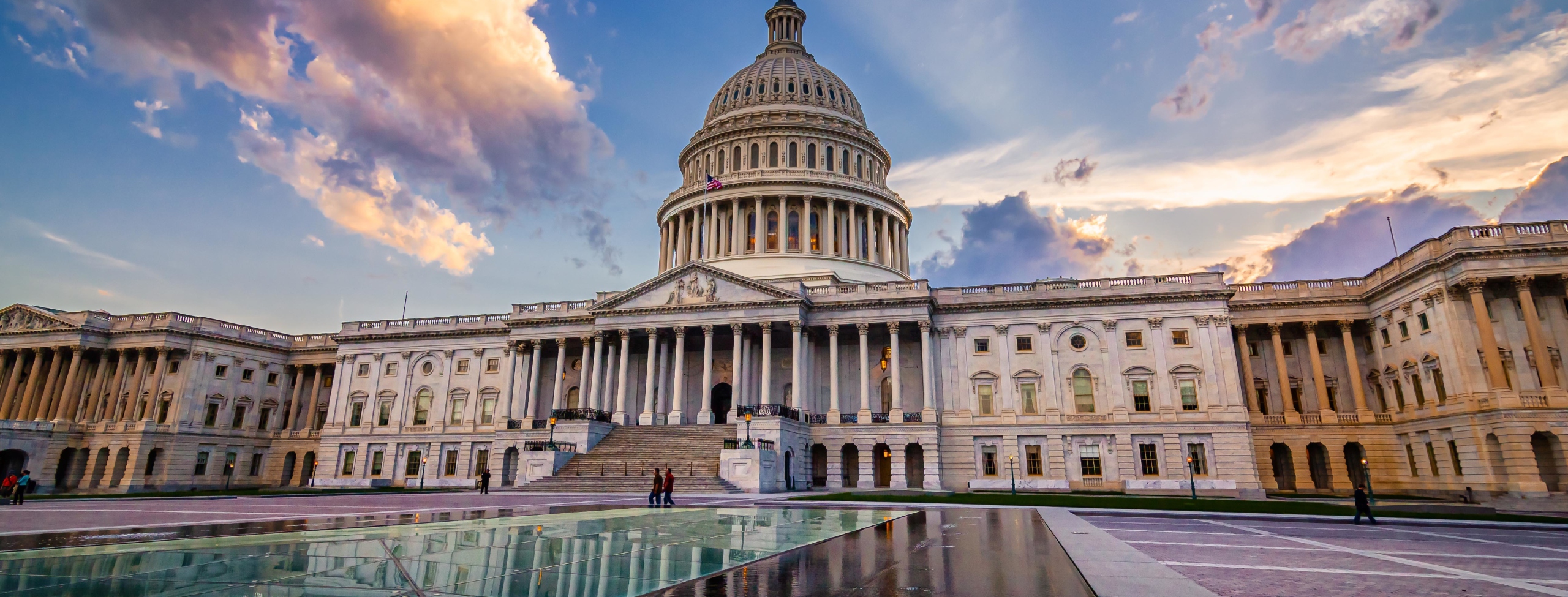
Office Hours with Senator Richard Burr | Timely discourse from Washington, DC
Get timely guidance on the rapidly changing legal and regulatory environment shaped by the current administration and congressional priorities.
Drawing on Senator Burr’s deep experience and insider perspective, this webcast series offers actionable insights into Capitol Hill developments that impact businesses and stakeholders across industries.
What to expect
- Insights and perspectives from former US Senator Richard Burr
- Candid discussions on emerging legislative priorities
- Conversations shaped by current headlines and organizational concerns

Stay Informed: FDA Regulatory News and Trends
Keep pace with the latest developments impacting the life sciences and healthcare sectors. DLA Piper’s FDA Regulatory News and Trends provides timely insights on:
- Policy Shifts & Guidance Updates: Understand evolving FDA regulations and compliance expectations.
- Enforcement Priorities: Learn what recent actions signal for manufacturers and stakeholders.
- Emerging Issues: Explore topics such as product approvals, labeling requirements, and risk management strategies.
This resource is essential for regulatory professionals, legal counsel, and industry leaders seeking clarity in a complex regulatory environment.